
Farmers for Forest Protection Foundation (4F)
4F is a foundation that focuses entirely on rights-based support for Indigenous Peoples and Local Communities (IP&LC) and farmers who are committed to protecting forests and implementing sustainable practices through incentive and benefit programmes. 4F was established in response to this need, as well as to support environmental conservation practices and long-term community welfare. In its implementation, 4F builds cross-stakeholder collaborations and works with implementing partners at both the local and national levels. These connections and foundations are the key strengths that enable 4F to expand its impact.
From March 2024 to February 2025, through collaboration with the New Zealand Embassy, 4F was teaming up with SPKS to implement a sustainable forest conservation programme and training on good agricultural practices for farmers in Gunam Village, Parindu District, Sanggau Regency West Kalimantan. The activities conducted in Gunam Village are part of the implementation of incentive programmes and post-implementation benefits of the forest protection approach.
The scope of 4F and SPKS activities in Gunam Village covers several areas, namely training on the simplified HCS-HCV for smallholder (smallholders toolkit), socialisation and training on agroforestry, and the drafting of village regulations (Perdes) on the protection and management of Gunam Village forests.
Gunam has two forest areas that have been preserved from generation to generation: the Teringkang customary forest (covering 22 hectares) and the Tembawang Kampung Ompu forest (covering 6 hectares) (Results of SPKS and 4F team mapping in 2021). Both forests are communally owned and have a strong spiritual connection with nearly the entire community of Gunam Village. Both forests have been identified as having high carbon stocks (HCS) and high conservation values (HCV) by the 4F team through a simplified HCS-HCV for smallholders approach.
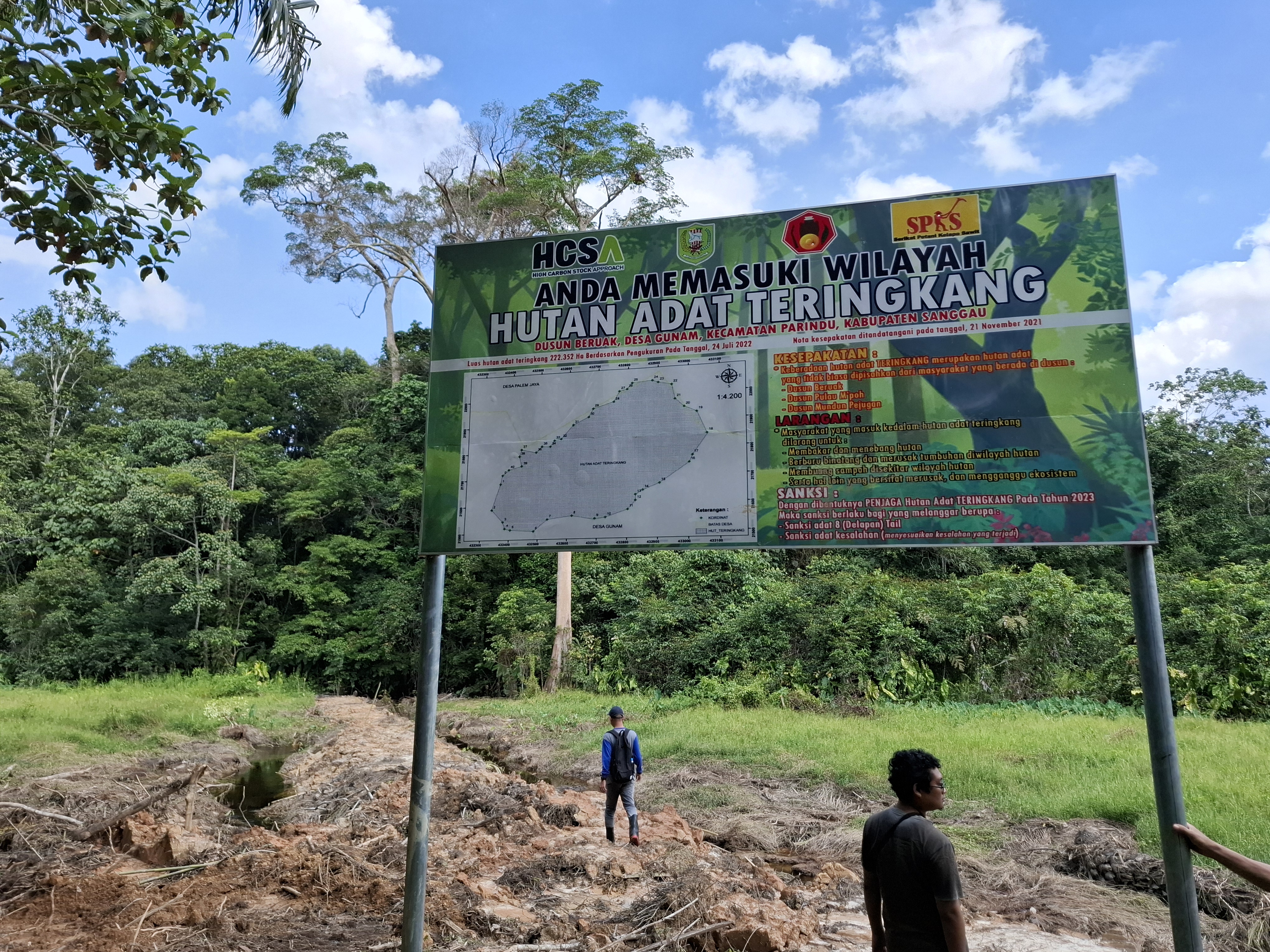
Figure 1: Entrance to the Teringkang Customary Forest.
Source: 4F documentations.
Based on the results of applying the simplified HCS-HCV for smallholder approach and the stories of the Gunam villagers, the Teringkang and Tembawang Kampung Ompu customary forests are not only physically close to them, but also spiritually and emotionally close. For them, forests and land have a meaning not only as a source of livelihood and economic value, but also as a significant spiritual-religious meaning, because the relationship with their ancestors and the Creator is reflected in practices that are integrated with nature. In fact, the Teringkang Customary Forest is a sacred forest for them and cannot be entered indiscriminately by the community. Furthermore, there is the Tembawang Kampung Ompu, a communal forest protected by the Gunam Village community according to traditional customs. Within it stands the Pedagi Abae Manap, a ritual site for the Dayak Hibun indigenous community and a place for rituals before the Gawai Dayak festival. This is why they are so eager for both forests to be protected and preserved.
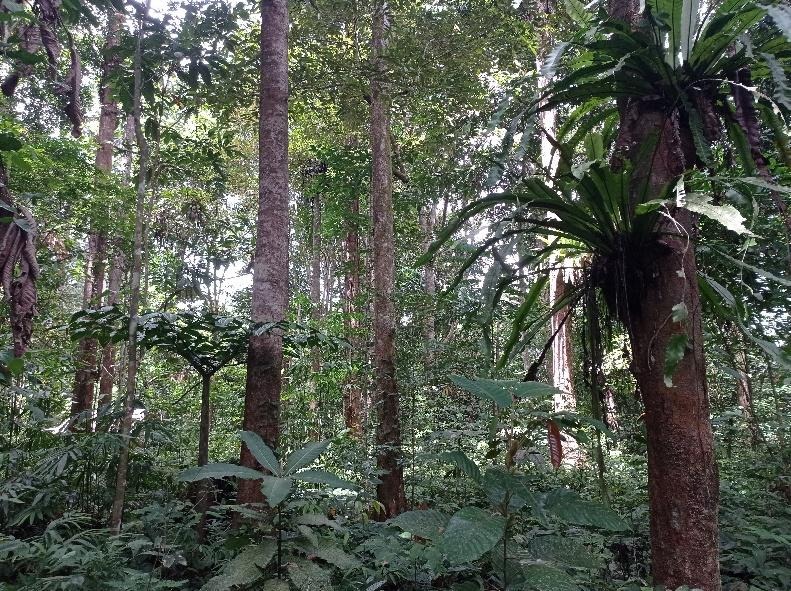
Figure 2: Inner part of the Teringkang Customary Forest.
Source: 4F documentation.
Within these two forests, the Gunam people obtain natural food sources (durian/Durio zebethinus, mentawa/Artocarpus anisophyllus, lanzones/Lansium domesticum, rambutan hutan/Nephelium cuspidatum, gnemon/Gnetum gnemon L., cempedak/Artocarpus integer, and blood star fruit/Baccaurea angulata), herbal medicines (red betel/Piper ornatum, areca nut palm/Areca catechu, and bajakah tampala/Spatholobus littoralis), craft materials (jeroyan rattan/Calamus spp., bamboo/Bambusa, and red-leaves pulai/Alstonia angustiloba), and ritual materials used in their traditional ceremonies (areca nut palm/Areca catechu, bamboo/Bambusa, kapok tree/Artocarpus elasticus, and red sabang leaves/Excoecaria cochinchinensis). Based on the results of the 4F team's survey with the community, the two forests in Gunam do indeed have high conservation value. They contain rare plants and animal species that need to be protected, such as long-tailed macaques (Macaca fascicularis), pig-tailed macaques (Macaca nemestrina), pangolins (Pholidota), tengkawang (Shorea spp.), ironwood (Eusideroxylon zwageri), and jelutong (Dyera). Additionally, the rivers flowing through these two forests serve as a vital source of livelihood for the residents of Gunam Village.
However, behind the wealth contained within these two forests, there are threats that seek to erode them. There are efforts from outside Gunam, as well as from some Gunam communities themselves, to engage in illegal logging, forest clearing, land conversion for other uses, and poaching. Some Gunam villagers want their two customary forests to be divided into private plantation areas and used for oil palm cultivation. This is because the selling price of commodities outside of palm oil is lower, and there is growing enthusiasm among communities outside of Gunam Village to plant palm oils. Moreover, topographically, both forests are located between palm oil plantations. In addition, poor forest management planning and management have led to widespread illegal activities by communities that disrupt forest biodiversity, such as poaching and destruction of sacred sites. These threats are amplified by a decline in local knowledge and belief in the importance of forests as a vital part of life.
After conducting trials of the simplified HCS-HCV for smallholder approach and the potential risks involved, 4F collaborated with SPKS to provide agroforestry socialisation and training to farmers in Gunam Village. The purpose of this agroforestry training was to introduce the community to best farming practices and agroforestry as an approach to diversifying commodities. This training is expected to serve as a gateway to introducing new livelihood patterns for the community of Gunam Village, aiming to increase income and improve soil conditions through regenerative agriculture. “We hope the knowledge we gain from this activity can be applied sustainably. This is an important step to preserve our forests while improving community welfare,” said Mr. Barto, the customary leader of Gunam.
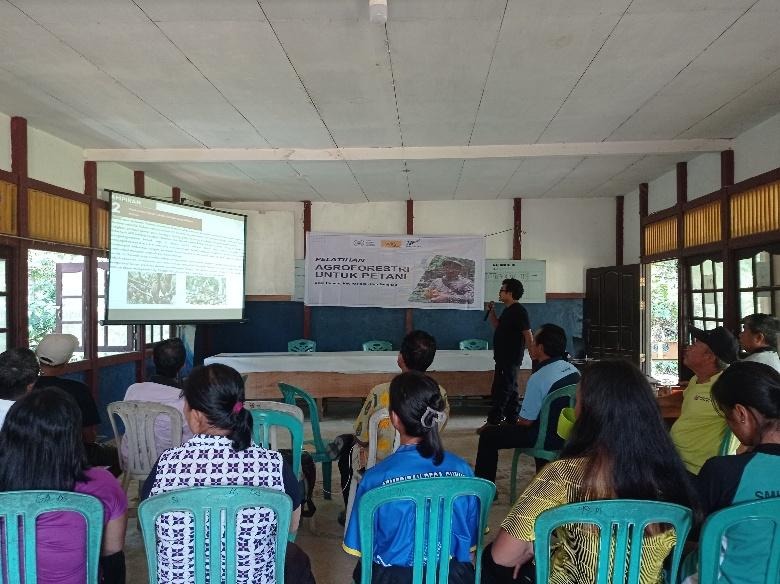
Figure 3: Socialisation of agroforestry to the Gunam Villager.
Source: 4F documentations.
Following discussions, the Gunam villagers agreed to select Tembawang Kampung Ompu as the site for the agroforestry demonstration plot that had been promoted. They wanted to regenerate their tembawang, hence referring to this agroforestry practice as an effort to “regenerate the tembawang”. Tembawang Kampung Ompu is indeed an old tembawang, with many of its fruit trees having fallen down. Therefore, the community recommends that the agroforestry pattern to be used in Tembawang Kampung Ompu must be a mixed or random pattern, with trees along the boundary featuring areca nut palms (Areca catechu) as boundary plants. The plants selected for random planting are calabash gourd (Lagenaria siceraria), durian (Durio zibethinus), pekawai/red durian (Durio kutejentis), punggur lanzones (Lansium parasiticum), mentawa (Artocarpus anisophyillus), and noni/Indian mulberry (Morinda citrifolia).
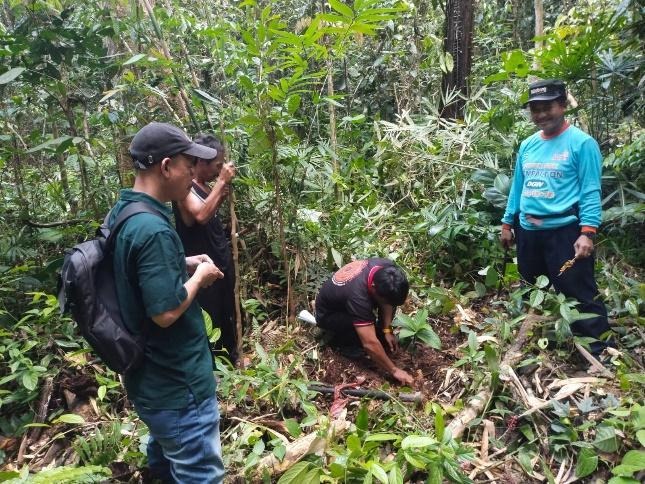
Figure 4: The process of creating a demonstration plot in Tembawang Kampung Ompu.
Source: 4F documentations.
The next phase of the 4F activities in Gunam Village is the formulation of a village regulation on forest protection and management, village tembawang, pedagi and rivers in Gunam Village. This village regulation will provide legal certainty to protect the integrity and authenticity of the forests in Gunam Village and their ecosystems from threats that could damage them. The Head of Gunam Village, Mr. Irfin, stated, “With this village regulation (Perdes), protection of customary forests and village forests will be further optimised. I am confident that forests remain crucial for the community of Gunam Village as they play a role in protecting various types of local plants and animals, whether they are classified under national or international protection categories or not.”
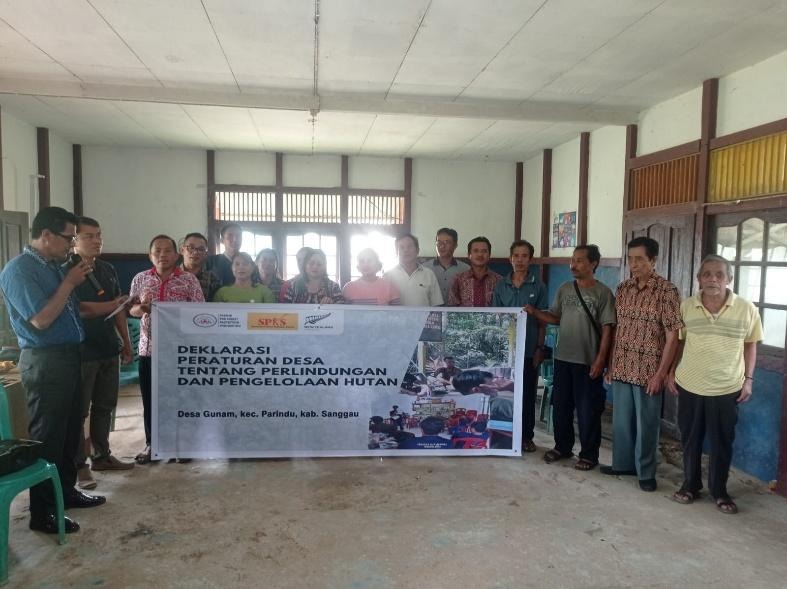
Figure 5: Declaration of Village Regulations on forest protection and management, village tembawang, pedagi and rivers in Gunam Village.
Source: 4F Documentations.
The process of drafting the village regulation included socialising the draft village regulation of Gunam Village to the village government and community, revising the draft village regulation based on group discussions, and consulting the draft village regulation with the Parindu District government. Once all these processes were completed, the final stage was the enactment and declaration of the Gunam Village village regulation to the community. This stage is followed by strengthening the position of the Gunam Village forest guard team as a group of community members and farmers tasked with protecting the agreed-upon forest area. This team already existed previously, but its management was inadequate. The appointed forest guard team is named Pemangkou Hutan Adat Poyo Tono Hibun and consists of 15 members selected and authorised by the village government and the indigenous community. They are responsible for protecting the conservation area from identified threats and carrying out forest management and monitoring activities.
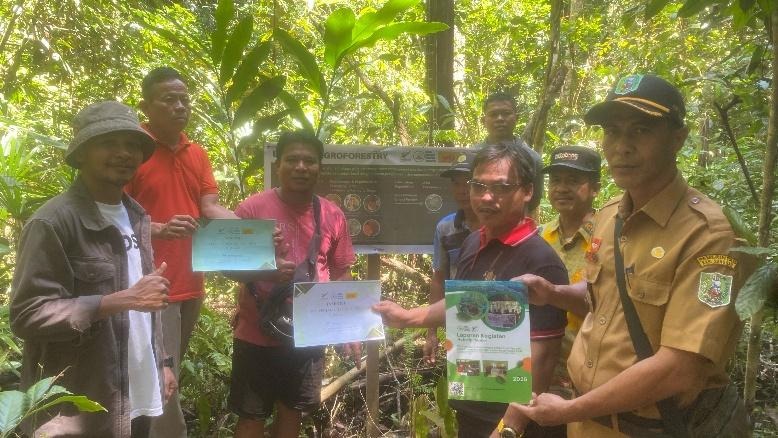
Figure 6: Symbolic incentive given to the forest guard team of Gunam Village.
Source: 4F documentations.
Support is also provided to this forest guard team in the form of training in monitoring and patrolling using the Kobotoolbox toolkit, a software-based application designed to efficiently and flexibly collect data in the field, particularly to support research or work in remote areas or areas with poor internet connectivity, ensuring that data collection can be conducted both online and offline. Additionally, monetary incentives are granted to the forest guard team to support forest patrol activities. Both support models are provided to enable the forest ranger team of Gunam Village to establish a sustainable and regular forest monitoring mechanism.
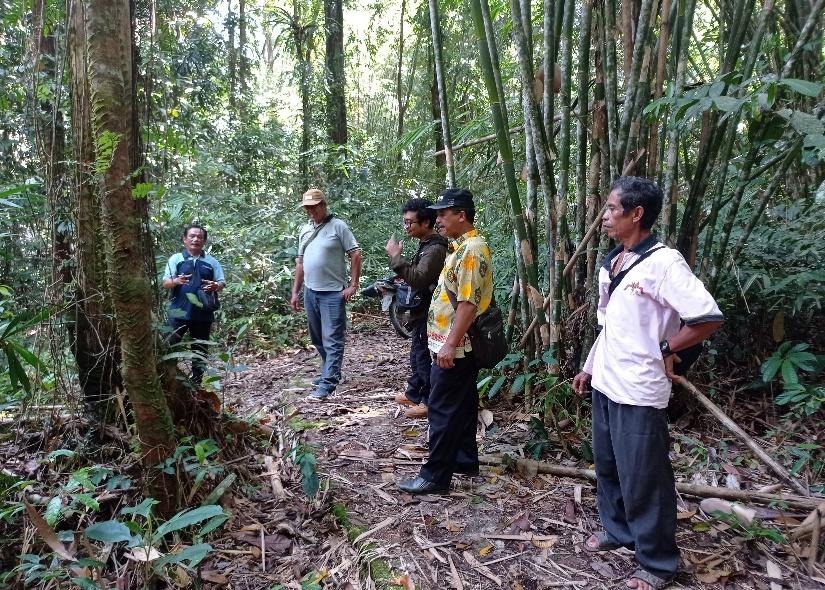
Figure 7: Training on the usage of Kobotoolbox in the field.
Source: 4F documentations.